
The Best Fluffy Pancakes recipe you will fall in love with. Full of tips and tricks to help you make the best pancakes.


Please follow and like us:


Welcome to the world of homemade bread making, where the magic of a few simple ingredients transforms into the warm, comforting embrace of freshly baked naan. This recipe walks you through the traditional and modern twists of making naan bread, ensuring that even those without yeast can enjoy this classic at home. Naan is more than just a side dish; it’s a versatile companion to many of your favorite meals.
In this guide, we’ll share secrets to achieving the perfect texture and flavor that can only come from handcrafted bread. Whether you’re pairing it with a spicy curry or enjoying it as a snack with some olive oil and herbs, our Simple Naan Bread Recipe is designed to impress. Let’s begin this delightful baking adventure together!
What is Naan Made Of?
Naan is a soft flatbread made primarily from all-purpose flour or maida, water, yeast, and salt. Yeast helps the bread to rise, creating its soft, fluffy texture. The dough is often enriched with sugar for a hint of sweetness and yogurt or milk for tenderness.
For Butter Naan specifically, butter is liberally applied before and after baking, giving it a rich, delicious flavor. These ingredients combine to create the beloved bread that complements a variety of dishes in cuisines worldwide.
The Timeless Tale of Naan Bread
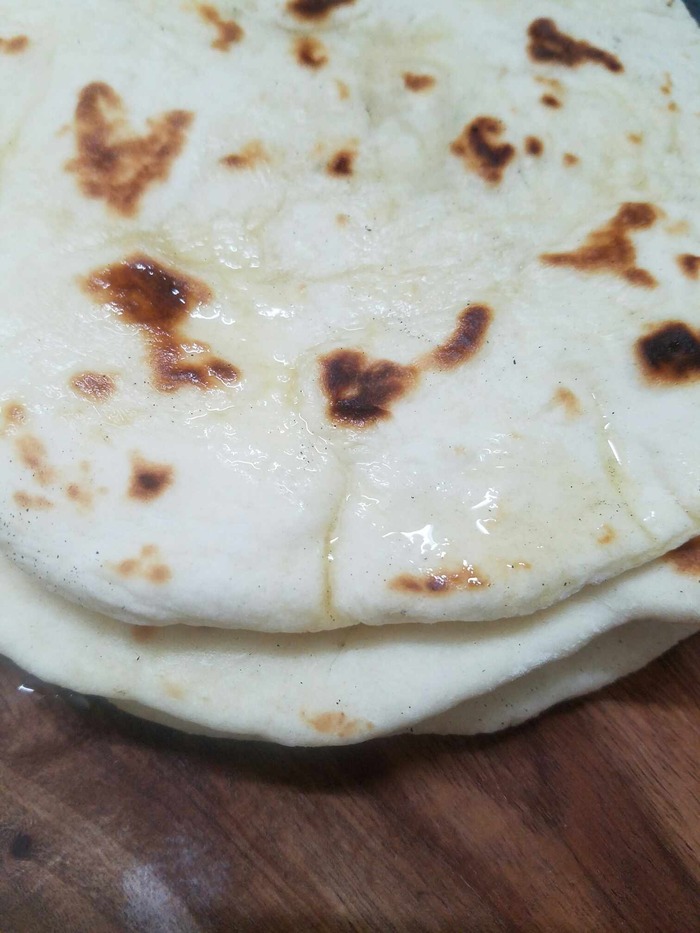
Naan bread, a name synonymous with the culinary landscapes of Central and South Asia, holds a storied past that dates back to ancient times. The origin of naan can be traced to the Indian subcontinent, where it was first mentioned in the notes of Indo-Persian poets around 1300 AD. This beloved bread was a staple in the royal courts of the Mughal Empire, where it was served during lavish feasts, making it a symbol of opulence and refinement in medieval India.
The specialty of naan lies in its preparation and the unique ingredients used. Traditionally baked in a tandoor—a cylindrical clay oven—the bread develops its characteristic bubbles and charred texture from the intense heat. The use of yeast, yogurt, and milk in the dough contributes to its soft, chewy texture, setting it apart from other flatbreads. Modern variations of naan include ingredients like garlic, cheese, or herbs, enhancing its flavor and making it a versatile companion to a wide array of dishes, from traditional curries to modern wraps.
What truly makes naan special is not just its rich history or its delicious taste, but its role in bringing people together. It’s a bread that’s meant to be shared, often torn by hand at the dinner table, fostering a sense of community and warmth. Whether enjoyed in the bustling streets of Delhi or savored in a cozy kitchen far from India, naan continues to be a cherished part of meals around the globe, transcending borders and creating connections one fluffy piece at a time.
Ingredients
Method 1: Traditional Yeast Dough
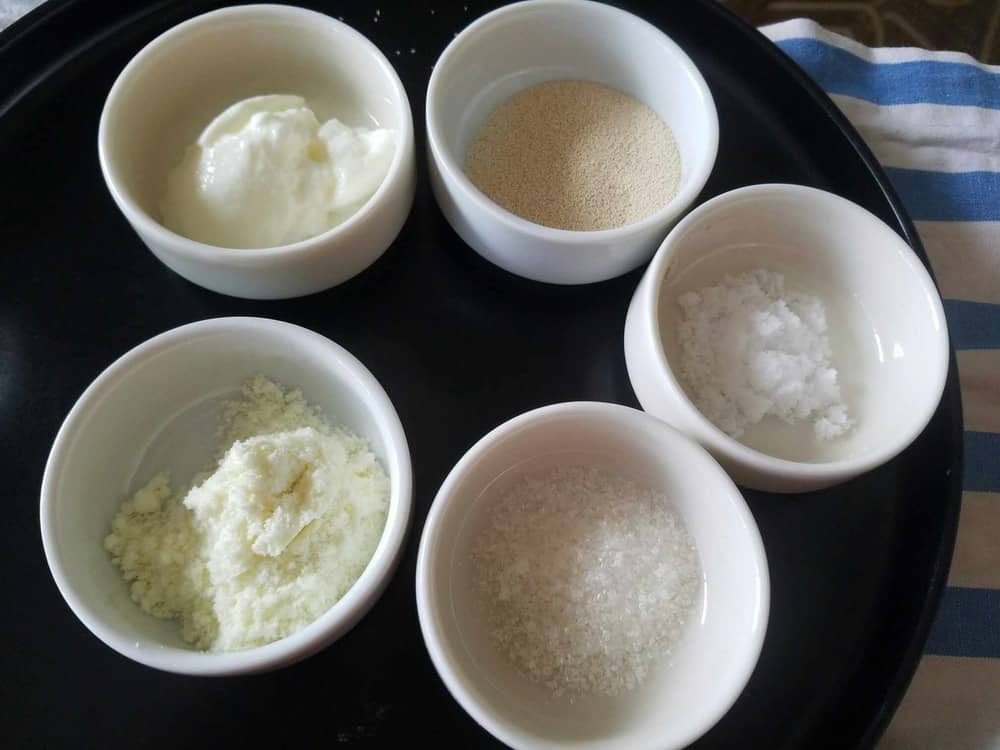
- 2 cups Flour (Maida)
- 1 tablespoon Powdered Milk (optional)
- ½ teaspoon Salt
- 1 teaspoon Sugar
- 1 teaspoon Instant Yeast
- 1 tablespoon Yogurt
- 1 tablespoon Oil
- ¼ cup Warm Water (110-115°F)
- 2-3 tablespoons Melted Butter (for brushing)
- Finely chopped Garlic (optional)
Method 2: Quick Dough with Baking Powder
- Refined Flour (Maida)- 2 Cups
- Salt- ½ Teaspoon
- Baking Powder- 2 Teaspoon
- Sugar- 1 Teaspoon
- Oil- 2 Tablespoon
- Milk- ¾ Cup
- Melted Butter- 2/3 Tablespoon
Step-by-Step Guide to Making Simple Naan Bread
Preparation Method 1: With Yeast
1. Prepare the Dough
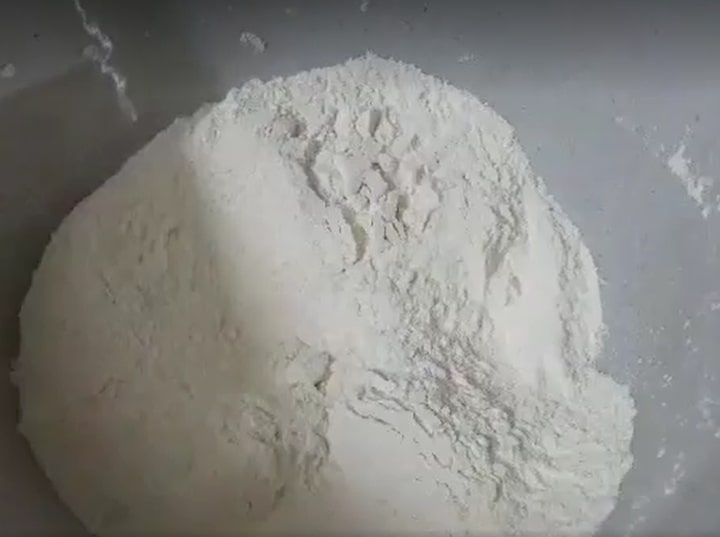
- In a large bowl, whisk together the flour, powdered milk (if using), salt, and sugar.
- In a separate bowl, dissolve the yeast in warm water and let stand until frothy, about 5-10 minutes.
- Pour the yeast mixture, yogurt, and oil into the dry ingredients. Stir with a spatula until the dough begins to come together.
2. Knead the Dough
- Transfer the dough onto a lightly floured surface. Knead for about 8-10 minutes until it’s smooth and elastic. Add a sprinkle of flour if the dough is excessively sticky, but avoid making it too dry.
- Place the kneaded dough in a lightly oiled bowl, turning it once to coat all sides with oil. Cover with a clean, damp kitchen towel and let rise in a warm, draft-free area until doubled in size, about 1 to 1.5 hours.
3. Shape and Prepare for Cooking
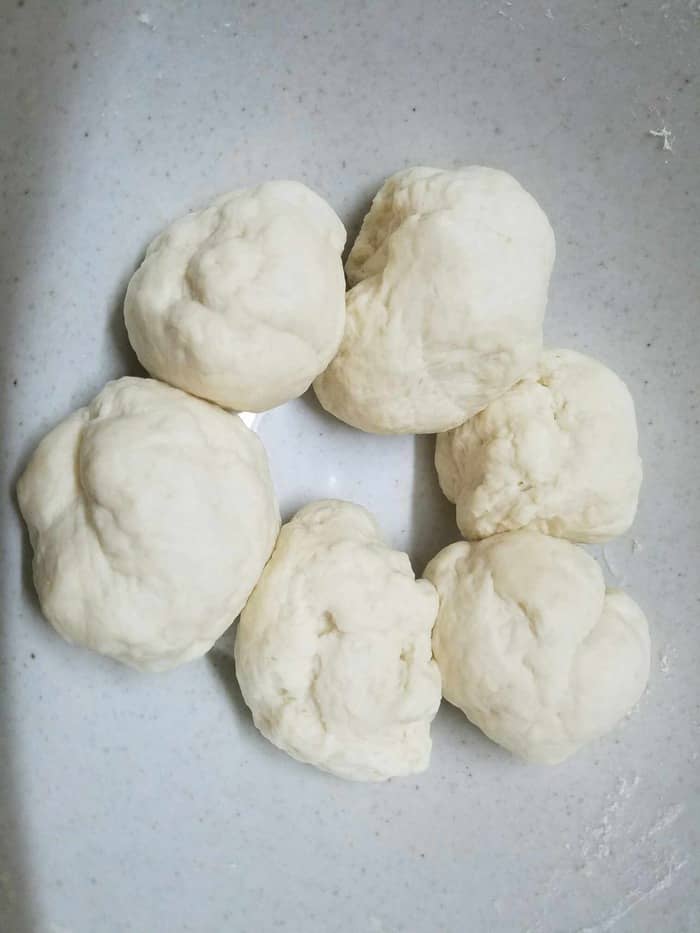
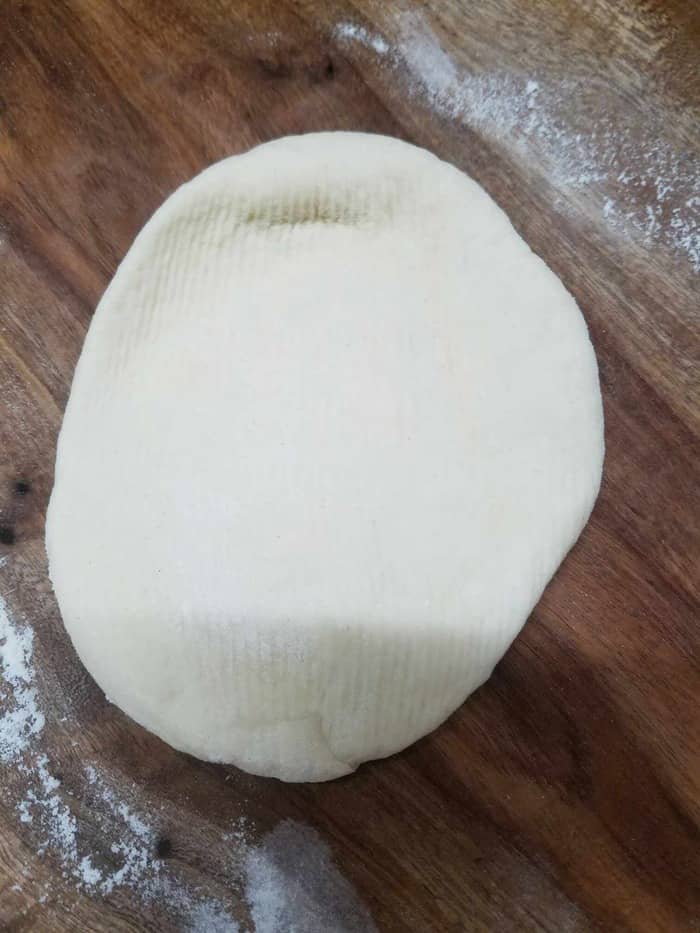
- After the first rise, punch down the dough to release trapped air. Divide it into 6 equal portions, shaping each into a ball.
- Roll out each ball on a lightly floured surface into an oval shape about 1/8-inch thick. If using garlic, press it into the surface of the dough now.
4. Cook the Naan
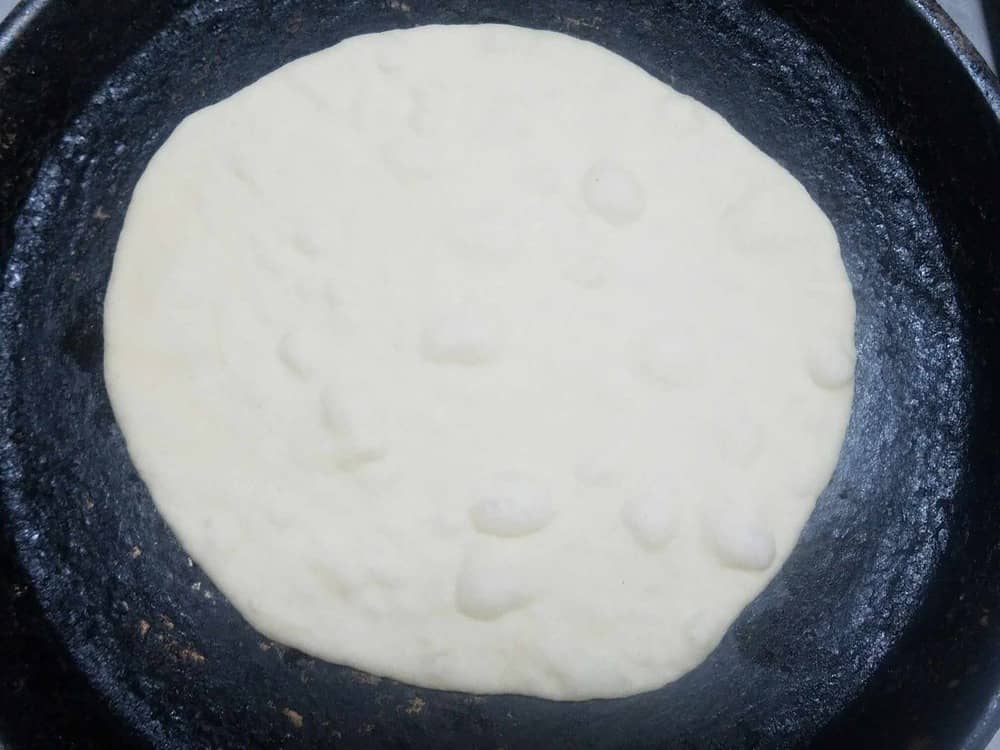
- Heat a cast iron skillet or heavy frying pan over medium-high heat. Once hot, place one rolled-out dough piece into the pan.
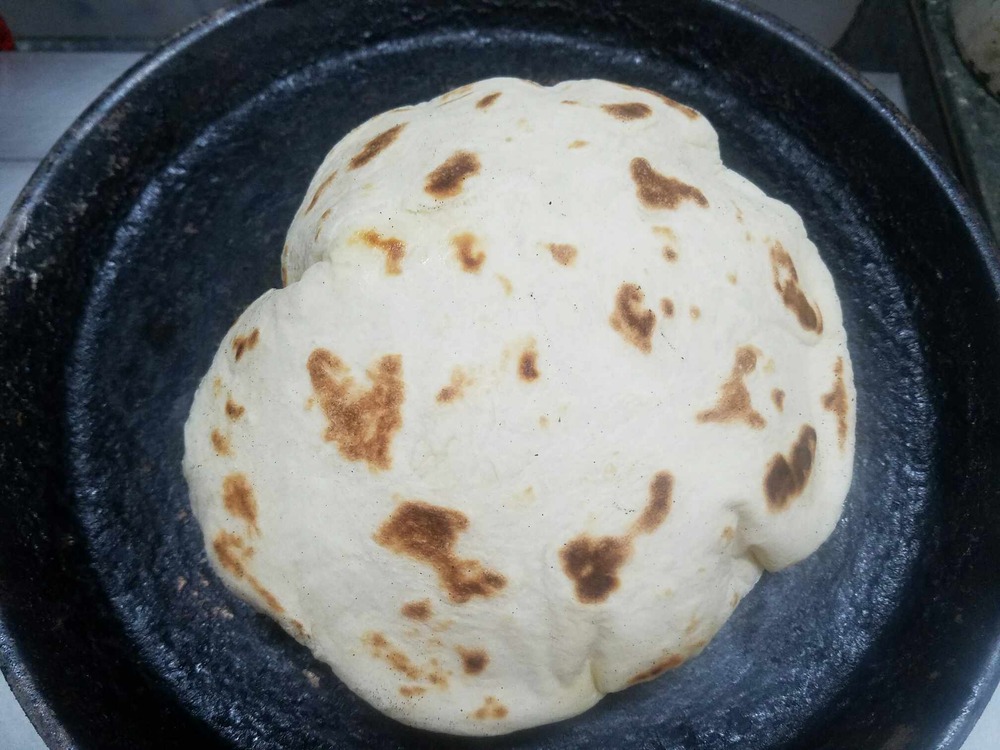
- Cook for 1-2 minutes, or until the top starts to bubble and the bottom is lightly browned and blistered. Flip and cook the other side for another 1-2 minutes until it has similar characteristics.
- Repeat with the remaining dough.
5. Apply the Finishing Touches
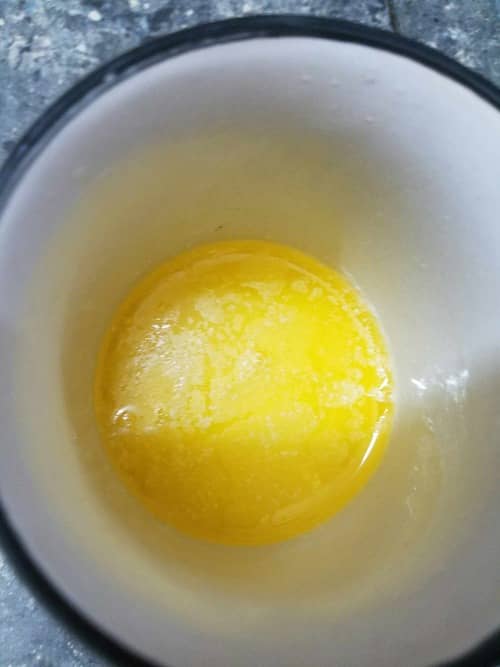
- Brush each cooked naan immediately with melted butter for added richness and flavor.
Preparation Method 2: Yeast-Free
Here’s a simple guide to making soft, delicious naan using baking powder as the leavening agent:
1. Mix Dry Ingredients
- Begin by combining the flour, salt, baking powder, and sugar in a large bowl. Mixing these together first helps prevent clumping and ensures that the baking powder is evenly distributed throughout the flour.
2. Incorporate Liquids
- Create a well in the center of your dry mixture and pour in the oil. Start adding the milk gradually while mixing with a spoon or your hands until a soft dough forms. If the dough is too sticky, lightly dust your hands with flour to make it easier to handle.
3. Knead the Dough
- Place the dough on a clean, lightly floured surface. Knead it for about 5 to 7 minutes until it’s smooth and pliable. Kneading helps develop the gluten in the flour, giving the naan its characteristic chewy texture.
4. Let the Dough Rest
- Shape the dough into a smooth ball and place it in a bowl. Cover it with a damp kitchen towel and let it sit for about 1-2 hours. This resting step allows the dough to relax, which makes it easier to roll out later.
5. Shape the Naan
- After the resting period, divide the dough into six equal pieces. Roll each piece into a ball, then flatten each ball with your hands or a rolling pin into an oval or teardrop shape about 1/8-inch thick.
6. Cook the Naan
- Heat a non-stick pan or griddle over medium-high heat. Once hot, place one of the shaped dough pieces onto the pan. Cook for about one minute or until bubbles form on the surface and the underside is golden brown with some darker spots.
- Flip the naan over and cook the other side for another minute or two, pressing down lightly with a spatula to ensure even cooking and encourage bubble formation.
7. Brush with Butter (Optional)
- As soon as each naan is cooked, brush the top with melted butter. This not only adds flavor but also keeps the bread moist and tender.
This method is great for anyone wanting to enjoy homemade naan without the extra steps involved in using yeast. The result is deliciously soft and perfectly puffy naan ready in no time!
Serving Ideas for Simple Naan Bread
Naan bread, with its soft texture and delightful aroma, is a versatile flatbread that complements a lot of dishes. Whether you’ve prepared it with yeast for fluffiness or without for a quicker alternative, here are several serving ideas to enhance your meals:
- Traditional Accompaniment: Serve naan alongside popular Indian dishes such as chicken tikka masala, paneer butter masala, or dal makhani. The bread is perfect for scooping up thick, rich gravies and enhancing the meal’s overall flavor.
- Wrapped Delights: Use naan as a wrap for kebabs or grilled vegetables. Add a drizzle of tzatziki or a sprinkle of fresh herbs for a refreshing twist.
- Personal Pizzas: Top naan with tomato sauce, your favorite cheeses, and various toppings like mushrooms, onions, and bell peppers. Bake until the cheese is bubbly for a quick and easy personal pizza.
- Dipping Tool: Cut naan into smaller pieces and use them to dip into hummus, baba ganoush, or any creamy dip. This is a great way to start a meal or enjoy a snack during the day.
- Dessert Base: For a sweet treat, brush naan with melted butter, sprinkle with cinnamon sugar, and grill for a few minutes. Serve with a dollop of vanilla ice cream or a drizzle of honey for a delightful dessert.
Tips for Perfect Butter Naan
To achieve perfect butter naan, start by preheating your cooking surface—tandoor, oven, or skillet—to ensure characteristic bubbles and slight char. Roll the dough evenly for uniform cooking, and keep it slightly moist to facilitate bubble formation.
Using high-quality, unsalted butter enhances the flavor, and infusing the butter with garlic, herbs, or spices adds a delicious twist. Let the dough rest to improve handling and texture. Keep cooked naan covered with a cloth to maintain warmth and softness.
If reheating, sprinkle naan with water and warm briefly to restore moisture. These steps will help you make exceptional naan every time.
Easy Things to Eat with Naan
Here are some simple yet delicious options to enjoy with naan:
1. Curries: The classic companion to naan, curries of all kinds, from rich and creamy to spicy and tangy, make the perfect dip.
2. Grilled Meats: Enjoy naan with grilled chicken, lamb, or kebabs. The bread is great for scooping up pieces of meat and any flavorful juices.
3. Vegetable Stir Fry: Pair naan with a quick vegetable stir fry. Its absorbent texture is ideal for savoring sauces.
4. Dips: Use naan as a scoop for hummus, baba ganoush, or any of your favorite dips.
5. Cheese: Top naan with cheese and grill for a few minutes for a quick and delicious cheesy flatbread.
6. Soups and Stews: Serve naan on the side of hearty soups and stews to soak up the broth.
7. Salads: Accompany a fresh salad with a piece of naan for a fulfilling meal.
8. Scrambled Eggs: Wrap or dip naan in scrambled eggs for a satisfying breakfast or brunch.
Traditional Toppings for Naan Often Include
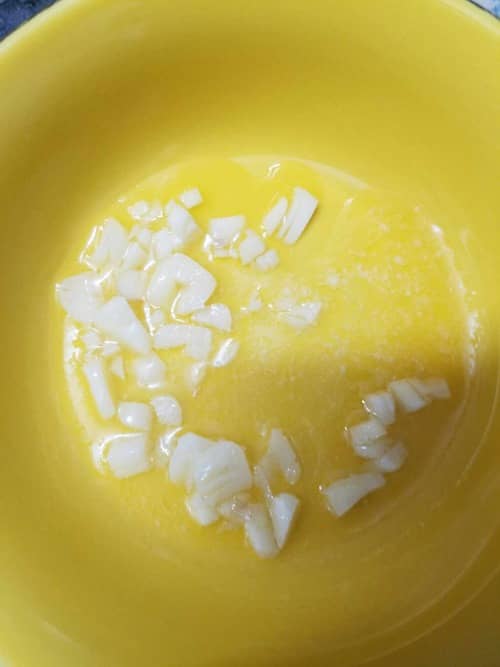
Naan bread can be enjoyed plain or with a variety of traditional toppings that enhance its flavor and appeal. Here are some common toppings that are often used to season naan before baking:
- Garlic Butter: Perhaps the most popular topping, freshly minced garlic sautéed in butter adds a rich and aromatic flavor to the naan.
- Cilantro: Fresh cilantro leaves sprinkled over naan add a burst of freshness and a slight peppery taste that complements its soft texture.
- Sesame Seeds: Toasted sesame seeds provide a subtle crunch and a nutty flavor that pairs beautifully with the doughy bread.
- Nigella Seeds (Kalonji): These small black seeds offer a slightly bitter and peppery taste, commonly used to enhance the flavor profile of naan.
- Cheese: Adding grated cheese such as mozzarella or paneer before baking creates a deliciously gooey and savory version of naan that’s hard to resist.
- Onion: Finely chopped onions can be added for a sweet and savory note, giving the naan additional layers of flavor.
These traditional toppings not only enhance the taste but also add visual appeal to the naan, making it even more irresistible.
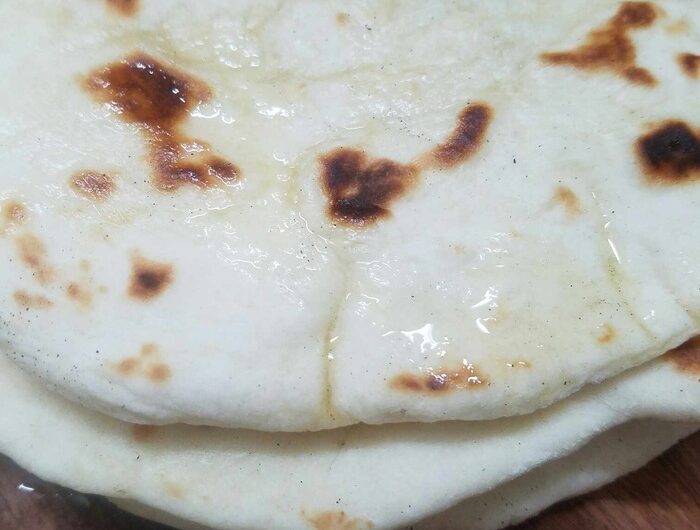
Simple Naan Bread Recipe: With & Without Yeast
Course: Side Dish, breadCuisine: IndianDifficulty: MediumServings
4-6
servingsPrep time
20
minutesCooking time
10
minutes1-2 hour
Rest
Ingredients
Flour (Maida) – 2 cups
Powdered Milk – 1 tablespoon (optional)
Salt – ½ teaspoon
Sugar – 1 teaspoon
Instant Yeast – 1 teaspoon
Yogurt – 1 tablespoon
Oil – 1 tablespoon
Warm Water (110-115°F) – ¼ cup
Melted Butter – 2-3 tablespoons (for brushing)
Finely Chopped Garlic – optional
Directions
- In a mixing bowl, combine flour, powdered milk, salt, sugar, and yeast.
- Add the yogurt and oil mixture to the dry ingredients. Gradually incorporate the warm water until a soft dough forms.
- Gradually add the wet ingredients to the dry ingredients, kneading until a soft dough forms.
- Cover the dough with a damp cloth and let it rise in a warm place for 1-2 hours or until doubled in size.
- Preheat a skillet or tandoor over medium-high heat.
- Divide the dough into small balls and roll each ball into a flat, oval shape.
- Optionally, sprinkle finely chopped garlic on top.
- Cook the naan in the skillet, flipping once, until golden brown spots appear.
- Brush with melted butter before serving.
Notes
- Preheat your skillet until it’s very hot to ensure the naan bubbles and gets those characteristic charred spots.
- Brush the naan with melted butter immediately after cooking to keep it soft and add extra flavor.
- Let the dough rest for at least 30 minutes before shaping to make it easier to roll out and achieve a softer texture.
Can You Reheat Naan Bread?
Yes, you can reheat naan bread. The best way to reheat naan is in a skillet over medium heat for about 1-2 minutes on each side. You can also reheat it in the oven wrapped in foil at 350°F (175°C) for about 5-10 minutes. Avoid microwaving as it can make the naan chewy.
What to Eat with Naan Bread?
Naan bread pairs wonderfully with a variety of dishes. It’s traditionally served with Indian curries, tandoori meats, and vegetables. You can also use it as a base for pizza, as a wrap for sandwiches, or simply enjoy it with a dip like hummus or yogurt.
How to Keep Naan Warm for a Party?
To keep naan warm for a party, wrap the naan in aluminum foil and place it in a preheated oven set at a low temperature, around 200°F (90°C). You can also use a covered chafing dish or a warming tray to keep the naan warm throughout the event.
Wrap-Up
Mastering the art of making butter naan at home can transform your meals into an authentic Indian dining experience. By following the key tips shared—such as maintaining the right dough moisture, using quality ingredients, and perfecting the cooking technique—you can ensure your naan is always fluffy, buttery, and delicious. Whether you’re pairing it with rich curries, using it as a base for creative wraps, or simply enjoying it with dips, butter naan is a versatile and delightful addition to any table. So gather your ingredients, and let the warm, inviting aroma of freshly made naan fill your home. Happy cooking!
You May Also Like:
Please follow and like us:


